Discover the Best Cuban Bakery in Aurora CO for Fresh Pastries
@paxtonipvm031
October 29, 2026 · 15 min read
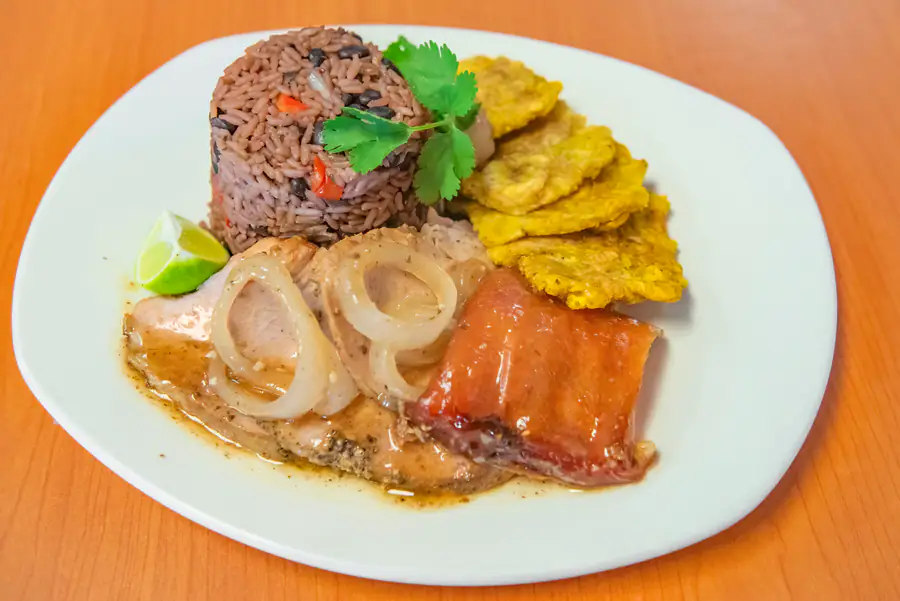
Aurora has never been a city that settles for one flavor. Its food scene reflects the people who live there, families with roots across Latin America, Asia, Africa, and the Caribbean, all shaping what ends up in local bakery cases and on neighborhood tables. That is part of what makes the search for a great Cuban bakery so satisfying here. You are not just hunting for something sweet. You are looking for a place that gets the details right, from the texture of the dough to the timing of the bake to the way the pastry tastes with strong coffee.
If you are trying to find the best Cuban bakery in Aurora CO for fresh pastries, the real difference often comes down to freshness, technique, and restraint. Cuban baking is not about piling on sugar for shock value. The best examples balance richness with lightness. A guava pastry should taste fruity, bright, and buttery, not sticky and flat. A pastelito de queso should have enough cream cheese filling to feel generous, but not so much that it collapses into heaviness. Good Cuban bread should crackle slightly when pressed and still feel tender at the center.
That standard matters because fresh Cuban pastries have a short window when they are truly exceptional. Anyone who has picked up a warm pastelito on a Saturday morning knows the gap between fresh from the tray and several hours later is enormous. The outer layers lose some lift, the fillings settle, and the sugar glaze firms up. A strong bakery understands this and bakes in waves, not just once. That is usually the first clue you have found a place worth returning to.
What makes a Cuban bakery stand out
A good bakery can produce pleasant pastries. A great Cuban bakery creates cravings. The difference https://www.google.com/maps?cid=7703775998023059643 is easier to recognize than many people think.
Freshness comes first. Walk in during a busy morning and pay attention to the turnover. Are trays being restocked? Do customers come in for boxes rather than single items? Is the staff moving with the practiced speed of people who know exactly what sells before noon? Those small signs tell you more than a polished display case ever could.
Texture is the second giveaway. Cuban pastries, especially the classic laminated styles, depend on contrast. The outer shell should shatter lightly and flake at the edges. The inside should remain soft, not gummy or dry. Fillings should be distinct, not lost in a mass of overbaked dough. Guava should taste like guava, not just sweetness. Coconut should carry a little chew. Cheese fillings should have tang and body.
Then there is the coffee factor. Cuban bakery culture is tied closely to coffee culture. Even the best pastry feels incomplete without cafecito, café con leche, or a straightforward strong cup poured hot enough to wake up the room. A bakery that understands that pairing usually understands the rest of the experience too. The sweetness of the pastry and the bitter punch of coffee are meant to sharpen each other.
There is also a less obvious point that experienced customers notice right away: discipline. Cuban pastries look simple on the surface, but they punish shortcuts. Dough that is rolled too thick feels bready. Fillings spread too far create soggy bottoms. Sugar glazes applied too aggressively become cloying. When a bakery produces consistent pastries every day, that consistency comes from repetition and standards, not luck.
The pastries that matter most
Some bakery counters try to be all things at once. They offer dozens of items, broad variety, and a little bit of every tradition. There is nothing wrong with that, but if your goal is to judge a Cuban bakery in Aurora CO, a few core pastries reveal almost everything about the operation.
The most familiar place to start is the pastelito de guayaba. At its best, it is a study in balance. The guava should be concentrated enough to stand up to the pastry, but still lively. The crust should stay crisp around the filling rather than steaming itself soft. A faint sugar sheen can help, but a heavy glaze usually masks weak dough.
Pastelitos de guayaba y queso are often an even better test because they require balance between two fillings. Too much guava and the cheese disappears. Too much cheese and the fruit loses its brightness. When done well, the pairing works because the tang of the cheese rounds out the sweetness of the fruit. It is one of the defining flavors of Cuban bakery culture for a reason.
Pastelitos de queso deserve equal respect. People sometimes dismiss them as plain, but plain pastries expose flaws quickly. A cheese pastry has nowhere to hide. If the filling is chalky, you notice. If the pastry layers are dense, you notice. If the sweetness is off by even a little, you notice. In many bakeries, this is the item regulars use to judge whether the day’s baking landed.
Then there are savory pastries and breads. Ham croquettes, meat pastries, and Cuban bread are not always discussed as enthusiastically as the sweets, yet they often tell you more about a bakery’s range and discipline. Savory items need seasoning, proper moisture control, and timing. If a bakery can send out a flaky meat pastry that is still crisp and not greasy, it usually has real command over its ovens.
How to tell if the pastries are actually fresh
Freshness is easy to claim and harder to prove. Staff will understandably say pastries are baked daily, but daily can mean 5:30 in the morning or the day before closing. The practical signs are usually right in front of you.
Here is what seasoned customers watch for when evaluating freshness:
- The pastry layers separate clearly, with visible flakes and no damp compression.
- Fillings hold their shape instead of leaking into the dough.
- Glazes look light and set, not pooled or tacky.
- The aroma near the case still smells buttery and warm, not stale or oily.
- Trays are being refilled during service, especially in the morning.
There is also the touch test, though it depends on what the bakery allows and how the item is packaged. A fresh pastry feels delicate but not limp. Once pastries sit too long, the crust softens, the underside absorbs moisture, and the filling often becomes the dominant texture. If every item in the case looks immaculate and untouched at 11 a.m. On a weekend, that can be less reassuring than it seems. Busy bakeries sell through product. That turnover is your friend.
Timing matters more than many people realize. Early morning remains the safest bet for the widest selection and the freshest bake. Midmorning can be ideal if the bakery bakes in rounds and the first rush has passed. Late afternoon is more variable. You may score a just-baked batch, or you may be choosing from what remains. For a first visit, I always recommend going earlier than you think you need to.
Why Cuban pastries appeal to more than one audience
One reason Cuban bakeries attract loyal followings beyond the Cuban community is that the pastries hit several cravings at once. They are familiar enough to be accessible, yet distinctive enough to feel special. If you grew up with fruit pastries, turnovers, sweet cheese pastries, or strong coffee, Cuban baked goods often feel instantly recognizable. At the same time, the specific combinations, especially guava and cheese, carry their own identity.
There is also a practical side. Cuban pastries are built for real life. They work for breakfast, a midmorning break, a quick office pickup, a family gathering, or the box you bring to someone’s house when you do not want to arrive empty-handed. They travel well enough for short trips across town, especially if packed properly, and they create that instant effect every bakery loves: open the box, and people gather around.
Aurora is an especially good place for this kind of bakery culture to thrive. It is a city where food still functions socially. People buy by the dozen, not just by the single piece. They bring breakfast to work, pastries to church events, bread to weekend family meals. In that environment, a Cuban bakery is not merely a specialty business. It can become part of the weekly routine.
What to order on your first visit
If you walk into a Cuban bakery Aurora CO locals recommend and feel unsure where to begin, keep it simple. You do not need the entire case. You need a cross section that reveals how the bakery handles sweet, savory, and classic staples.
A strong first order usually includes:
- one guava pastry
- one guava and cheese pastry
- one cheese pastry
- one savory item, such as a ham croquette or meat pastry
- coffee, ideally café con leche or cafecito
That small order tells you almost everything. You can compare sweetness levels, see whether the dough stays consistent across fillings, and decide whether the bakery’s savory side is as strong as its sweet side. If you are shopping for a group, add Cuban bread if available. Fresh bread gives you one more way to judge quality, and it rounds out the box without turning the order into dessert overload.
The role of tradition, and where flexibility helps
People often talk about authenticity in ways that flatten the real story. Cuban baking, like any living food tradition, adapts to place. Ingredients vary. Equipment changes. Customer preferences matter. A bakery in Colorado may adjust hydration because of climate and altitude. It may source fruit pastes from one supplier and dairy from another. Those differences do not automatically make the result less authentic. They are often what allow the bakery to produce a reliable version under local conditions.
That said, tradition still provides useful guardrails. Cuban pastries should feel intentional, not generic. When a bakery starts replacing core flavors with novelty for its own sake, quality often slides. There is a difference between offering a seasonal special and losing the bakery’s center. A pistachio swirl or tropical fruit variation can be fun. But if the guava pastry is an afterthought in a place calling itself Cuban, something has gone off course.
This is where judgment matters. Some bakeries preserve the old standards with remarkable care and earn loyalty that way. Others keep the classics strong while adding just enough range to serve a broader neighborhood. Both models can work. What rarely works is trying to mimic every trend at once. Pastries need identity.
Service tells you a lot
Food quality matters most, but service often tells you whether a bakery understands its role in the community. In the best places, service is brisk without feeling cold. Staff answer basic questions without a sales pitch. They know which trays just came out and which items are nearly gone. They can tell a first-time customer what runs sweeter, what feels richer, and what is better with coffee.
That kind of guidance matters because many customers are not experts in Cuban pastries. They may know they want something fresh and flaky but not know the difference between guava, guava and cheese, and straight cheese. A bakery that helps people choose, without making them feel slow or uninformed, earns repeat business for good reason.
There is another practical benefit to strong service: accuracy on larger orders. If you are buying for an office breakfast, birthday brunch, or Sunday family gathering, a bakery that packs carefully and confirms quantities can save you headaches. Pastries are delicate. A rushed, careless box job can ruin excellent baking. This is one of those details people ignore until they receive a dozen flattened pastries and a leaking bag of sugar shards.
Buying for a group without ending up with a box of leftovers
Ordering for a crowd sounds easy until you do it a few times. Too little variety and half the group feels boxed in. Too much variety and the favorites disappear first while niche items linger. With Cuban pastries, the sweet spot is usually a mix tilted toward the classics.
For mixed groups, guava and cheese often disappears first because it appeals to both adventurous eaters and people who simply want something pleasant with coffee. Plain cheese pastries tend to perform better than people expect. Straight guava has loyal fans but can divide a room if some guests are unfamiliar with the flavor. Savory items help balance the box, especially for people who do not want sugar first thing in the morning.
Portion size is part of the equation too. Cuban pastries are often richer than they look, particularly when eaten with sweet coffee. For a breakfast meeting, people may take one pastry and half of another rather than two full pieces. For family gatherings, where guests graze over time, variety matters more than strict count. Experience helps here, but if you are unsure, it is smarter to order slightly less and supplement with bread or coffee than to overshoot with too many sweets.
Storage, reheating, and the truth about day-old pastries
Fresh is best, but sometimes life wins and you buy more than you can finish. Cuban pastries can still be very good later the same day and decent the next day if handled well. The key is keeping moisture under control.
Avoid sealing warm pastries in airtight plastic right away. That traps steam and softens the crust. Let them cool if needed, then store them in a bakery box or loosely wrapped paper for short-term holding. For next-day eating, a brief reheat in the oven can restore some crispness. A microwave will warm the filling, but it usually sacrifices texture, and texture is half the point.
Not every pastry ages at the same pace. Cheese and guava pastries often hold up better than very delicate laminated items because the fillings help preserve moisture. Savory pastries can be trickier. Meat fillings may remain flavorful while the exterior softens faster than you want. Cuban bread declines quickly, which is normal for breads with thin crust and soft interior crumb. Buy bread with a plan to use it soon.
Day-old pastries are not necessarily bad. They are just different. A bakery that starts with strong dough and balanced fillings can still taste pleasant the next day. A bakery that relies on freshness alone gets exposed quickly once a few hours pass.
Finding the right bakery for your taste
The idea of the “best” Cuban bakery in Aurora CO sounds straightforward, but personal taste has a say. Some people want a heavier sugar glaze and a softer bite. Others prefer crisp, flaky pastries with restrained sweetness. Some prioritize coffee quality. Others care most about bread or savory snacks. There is no single metric that settles it for everyone.
What you want is a bakery that matches your habits. If you love early weekend pastry runs, look for strong morning turnover and a broad case. If you need catered boxes for work, prioritize consistency and organized service. If your ideal breakfast includes café con leche and one perfect guava pastry, judge the bakery by that ritual, not by its full menu size.
The good news is that Cuban bakery culture rewards repeat visits. The first trip tells you what is possible. The second tells you what is consistent. By the third, you usually know whether the place is part of your regular rotation or just an occasional stop.
Fresh pastries are worth being picky about
A great Cuban bakery does not need gimmicks. It needs well-made dough, confident fillings, hot coffee, and enough customer traffic to keep everything moving. In a city like Aurora, where diners have choices from nearly every direction, that kind of focused excellence stands out.
If you are searching for a Cuban bakery Aurora CO residents truly value, judge it the old-fashioned way. Go early. Order the classics. Taste the pastry before it cools too much. Pay attention to texture, not just sweetness. Notice whether the staff knows the product and whether the trays keep turning over. Those are the details that separate a bakery you try once from one you keep in your weekend routine.
When you find the right place, the experience is immediate. The pastry flakes onto the paper bag, the filling stays vivid, the coffee cuts through the sweetness, and suddenly a simple breakfast feels far more memorable than it has any right to. That is what the best Cuban bakeries do. They take familiar ingredients and, through care and repetition, turn them into something people make time for.
Cuba Bakery & Café
15028 E Mississippi Ave, Aurora, CO 80012
+1 303-752-2822
FAQ About Cuban bakery Aurora CO
What are Cuban pastries called?
Many small Cuban pastries are called pastelitos. They can have sweet or savory fillings, such as guava, cheese, guava and cheese, or seasoned meat. Cuba Bakery & Café lists guava, cheese, guava-and-cheese and beef pastries on its menu. Ask the bakery about current availability and ingredients when ordering.
What are traditional Cuban pastries?
Common Cuban bakery choices include flaky pastelitos filled with guava, cheese or meat. Cuban bakeries may also offer empanadas, breads and desserts alongside coffee. Cuba Bakery & Café lists pastelitos, several empanada fillings, pan Cubano and desserts such as tres leches and bread pudding. Selection can vary, so confirm the day's choices with the bakery.
What makes Cuban bread different?
Cuban bread is known for its light interior and a thin crust that becomes crisp when toasted or pressed. Traditional recipes often use lard, although ingredients vary by baker. It is commonly served as buttered toast or used for Cuban sandwiches. Cuba Bakery & Café lists pan Cubano and tostada on its menu; ask staff about the ingredients in their bread if you have dietary restrictions.