Jamaican Food Dishes That Are Bursting With Flavor
@paxtonipvm031
November 6, 2026 · 16 min read
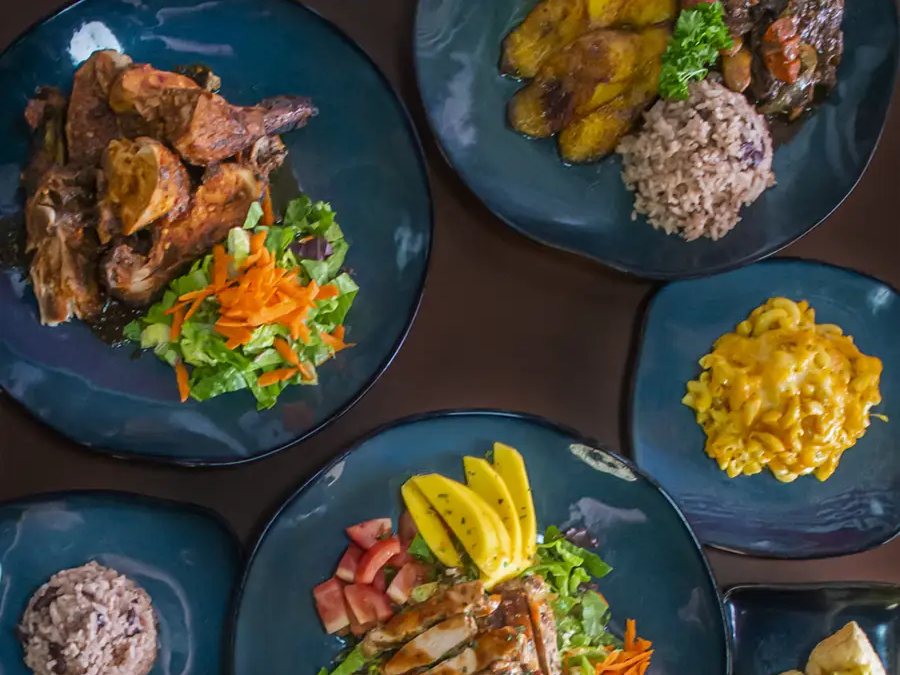
Jamaican food has a way of announcing itself before it reaches the table. You smell pimento smoke from a roadside jerk pan long before you see the cook turning chicken over split logs. You catch the sweetness of coconut milk simmering into rice and peas. You notice the sharp lift of thyme, scallion, Scotch bonnet, ginger, and allspice in the air, and you already know the meal will not be shy.
What makes Jamaican food so memorable is not heat alone, though heat matters. It is the balance. Savory dishes often carry sweetness, smoke, acid, fire, and earthy spice in the same bite. Texture matters just as much. Crisp skin on jerk chicken, silky stewed oxtail, flaky patty pastry, the creamy-soft curds of ackee beside salt cod, each dish aims for contrast. Good Jamaican cooking also understands time. Marinades need hours. Tough cuts need patient braising. Escovitch vegetables need enough vinegar to bite, but enough rest to settle.
People who are new to Jamaican food sometimes start with the headline dishes and stop there. That is a mistake. The cuisine is broad, practical, festive, and deeply regional in feeling even when the ingredients are familiar. A beachside fish lunch in Portland, a boxed dinner from a neighborhood spot in Kingston, and a Sunday family meal in Montego Bay can all feel unmistakably Jamaican while tasting quite different.
Why the flavor runs so deep
Jamaican cooking is shaped by the island’s history, agriculture, and resourcefulness. African techniques, Indigenous ingredients, European colonial influence, and Indian and Chinese culinary traditions all left their mark. You can taste this layering in the pantry alone. There is cassava and plantain, salt cod and curry powder, coconut and tamarind, callaloo and breadfruit, pimento and Scotch bonnet.
The seasoning style is direct and confident. A typical marinade or stew base may combine green seasoning, onion, garlic, ginger, thyme, black pepper, and Scotch bonnet, then round that out with soy sauce, browning, or vinegar depending on the dish. Browning deserves a note of its own. Done well, it lends color and a faint bittersweet depth to stews, especially oxtail and brown stew chicken. Used carelessly, it can dominate. That tension is part of the craft. Jamaican cooks often work by sight, smell, and feel as much as by measurement.
Another point worth understanding is that many famous Jamaican dishes are not restaurant inventions. They come from homes, markets, roadside stalls, fisheries, and cookshops. They were built to nourish, stretch ingredients, and satisfy people who know exactly how a dish should taste. That standard keeps the food honest.
Jerk chicken, the dish most people meet first
If one dish has become shorthand for Jamaican food abroad, it is jerk chicken. That popularity is deserved, but it has also produced a lot of weak versions. True jerk is more than spicy grilled meat. It is a method and a flavor architecture.
Traditional jerk seasoning leans on pimento, Scotch bonnet, thyme, scallion, ginger, garlic, and often cinnamon or nutmeg in small supporting roles. The chicken is rubbed or marinated thoroughly, then cooked over pimento wood or charcoal, often in a drum pan or a rustic pit. The smoke matters. Without it, you may have a good spiced grilled chicken, but not the full jerk experience.
What separates excellent jerk chicken from average jerk chicken is restraint and control. The seasoning should penetrate, but not turn muddy. The heat should be assertive, but not flatten the aromatics. The exterior should char in places, yet the meat should stay juicy. At its best, the first taste brings smoke and allspice, then thyme and pepper, then the deeper savor of rendered chicken fat carrying spice into every bite.
Jerk pork deserves equal respect. In some circles, it is the more prized version because pork handles long smoking beautifully. Fatty sections become tender and glossy, with crusty edges that carry spice better than lean cuts can. If you ever see jerk served with roasted breadfruit or festival, take that opportunity. The starchy sweetness rounds the smoke and pepper in a way plain rice cannot.
Ackee and saltfish, Jamaica’s national dish
Ackee and saltfish is one of the great examples of a dish that surprises people on first sight and wins them over on the plate. Ackee, when properly cleaned and cooked, has a delicate, buttery texture that many compare loosely to scrambled eggs, though the flavor is gentler and more savory. Saltfish, usually salt cod that has been soaked and flaked, brings salinity and chew. Together with onion, tomato, sweet pepper, thyme, and Scotch bonnet, the dish lands in a zone all its own.
A good plate of ackee and saltfish should not be wet or greasy. The ackee should hold its shape but remain tender. The cod should season the dish rather than overpower it. I have had versions where the cook treated the saltfish too aggressively, either leaving it too salty or shredding it into threads so fine it disappeared. The better approach leaves distinct flakes and lets the ackee remain the star.
This dish often appears at breakfast, especially with fried dumplings, boiled green banana, roast breadfruit, or hard dough bread. It is also one of the clearest examples of Jamaican food using modest ingredients to create something luxurious. Salt cod was historically a preserved staple, not a delicacy. Ackee, once understood and prepared correctly, gave the dish richness without dairy or meat fat. The result feels celebratory even when the ingredients speak of thrift.
Curry goat, rich, warm, and worth the wait
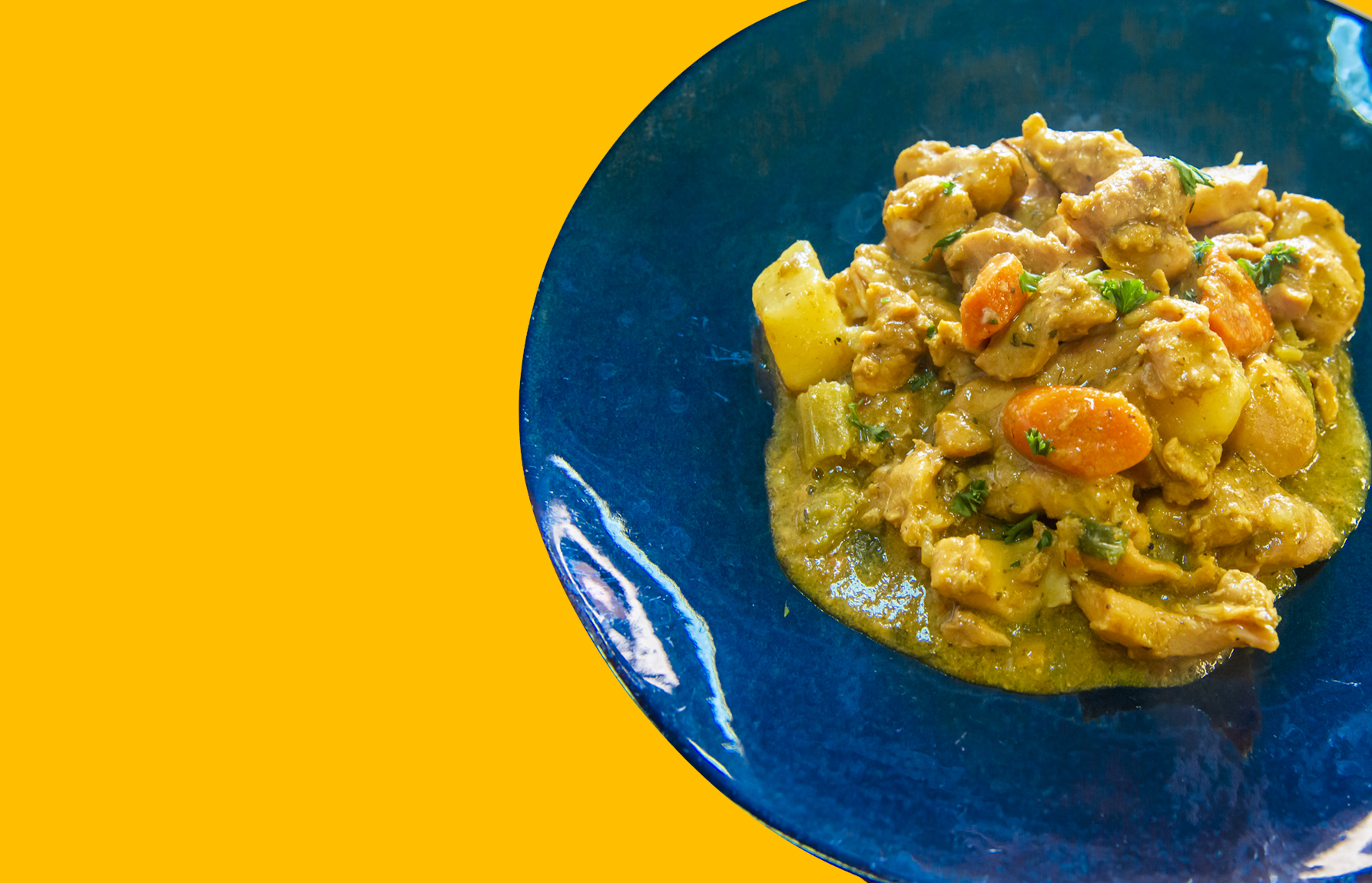
Curry goat is often one of the first dishes people fall in love with after jerk. The flavor profile is different, less smoky and more rounded, but no less bold. Jamaican curry powder usually carries turmeric, coriander, cumin, fenugreek, and other warm spices, and many cooks “burn” the curry briefly in oil at the start to wake it up before adding the meat.
Goat can be stubborn if rushed. The connective tissue and muscle need time, often a good couple of hours depending on the cut and age of the animal. Done right, the meat turns tender without collapsing into mush. The sauce becomes thick, deeply seasoned, and slightly oily in the best sense, clinging to rice and peas and soaking into whatever side sits nearby.
The potatoes sometimes included in curry goat can divide opinion. Some people love them because they drink up the sauce and mellow the spice. Others think they dilute the intensity. Both views are fair. The key is proportion. A few pieces can enrich the pot. Too many and the dish loses its focus.
At gatherings, curry goat often carries special weight. It is common at weddings, parties, and Sunday dinners because it feeds a crowd and holds its flavor well. It is also one of those dishes that can taste even better after a rest, when the spice settles into the meat and the fat rises enough to be skimmed if needed.
Oxtail, slow-cooked and deeply satisfying
Few Jamaican dishes inspire as much devotion as oxtail. The name can mislead newcomers who expect something heavy and one-note. Properly braised oxtail is the opposite. It is gelatin-rich, savory, sticky, and layered, with gravy that tastes like patient work.
The usual path involves browning the meat, then braising it with onion, garlic, thyme, allspice, carrot, butter beans, and seasonings that may include soy sauce, ketchup, and browning. That mix sounds casual on paper, but in experienced hands it creates remarkable depth. The best gravy is dark but not burnt, thick but not gluey.
Butter beans are not decorative here. They absorb the surrounding sauce and add creamy contrast to the richness of the meat. Rice and peas remains the natural partner because it handles heavy gravy without disappearing. A little steamed cabbage on the side helps too, not because the meal needs virtue, but because sweetness and crunch sharpen the whole plate.
Oxtail has become expensive in many places, which has changed how often some families cook it. That price shift says a lot about how beloved the dish has become far beyond Jamaica. It also means restaurant versions vary wildly. If the meat is stringy, the sauce thin, or the sweetness exaggerated, keep looking. Good oxtail should feel generous rather than flashy.
Escovitch fish, where acid and fire do the work
Escovitch fish offers a very different kind of intensity. A whole fish, often snapper when available, is fried until the skin is crisp and the flesh still moist. It is then topped or dressed with a sharp mixture of vinegar, onions, carrots, sweet peppers, and Scotch bonnet. Some versions lean brightly pickled. Others soften the acidity with a touch more sweetness. Either style can work if the fish remains central.
This is one of the clearest illustrations of Jamaican cooking understanding contrast. The fish is hot and crisp. The escovitch vegetables are cool or warm, crunchy, and piercing. You taste sea, oil, acid, and pepper almost at once. It wakes up the palate. With bammy on the side, the meal becomes even better. Bammy, a cassava flatbread with a subtle tang, soaks up juices without competing.
Escovitch is also practical. Vinegar helps cut richness and adds keeping power. In a hot https://martinlnoq381.clearminster.com/posts/island-comfort-on-a-plate-jamaican-food-you-ll-crave climate, that matters. So does choosing fish that can stand up to frying and dressing. Snapper is common, but any fresh, firm fish handled carefully can shine.
Patties, a small package with serious character
A Jamaican patty may look simple, but making a good one is harder than it seems. The pastry should be flaky and sturdy enough to hold the filling, usually tinted yellow with turmeric or curry. The filling, whether beef, chicken, vegetable, shrimp, or saltfish, should be well seasoned and moist but never soupy. Too dry and the patty eats chalky. Too wet and the crust goes limp.
The classic beef patty remains the benchmark. A proper one delivers spiced minced beef with onion, pepper, thyme, and enough heat to register without hijacking the whole bite. In Jamaica and across the diaspora, patties are fuel for school days, work breaks, and late afternoons when you need something fast but substantial. Put one inside coco bread and it becomes a different kind of pleasure, softer, richer, and more indulgent.
The patty also says something important about Jamaican food more broadly. Flavor is not reserved for formal meals. Even the quickest grab-and-go item is expected to be seasoned with intention.
Rice and peas, not an afterthought
People unfamiliar with Jamaican food sometimes treat rice and peas like a neutral side. It is not. Done correctly, it shapes the meal. Traditionally made with kidney beans or gungo peas depending on season and preference, it is cooked with coconut milk, thyme, scallion, garlic, and often a whole Scotch bonnet that perfumes the pot without necessarily bursting.
The rice should be separate, fragrant, and lightly enriched, not soggy and not plain. Coconut milk should support, not smother. The herbs should read clearly. If the pot includes too much liquid or the peas are undercooked, the result becomes heavy. If done with care, rice and peas acts like a built-in sauce absorber and seasoning partner for jerk, curry, oxtail, or brown stew.
That partnership explains why a plate of Jamaican food feels composed even when it is generous. The starch is not blank. The protein is not isolated. The sides speak to the main dish.
Brown stew chicken and the beauty of everyday cooking
Jerk gets the spotlight, but brown stew chicken is what many people grow up eating regularly. It is a home dish, restaurant staple, and lunch counter essential. The chicken is seasoned, browned, then simmered with onion, bell pepper, tomato, thyme, and gravy enriched by the browned bits and seasoning left in the pot.
There is a particular comfort in brown stew chicken because the flavors are direct and familiar without ever being dull. The gravy should be glossy and savory, with a faint sweetness from browned onions and perhaps a little ketchup or browning, depending on the cook. The chicken, often cut bone-in, should be tender enough to pull apart but not so long cooked that it loses structure.
This is where judgment matters. Jamaican home cooking often asks the cook to decide when enough browning is enough, how much Scotch bonnet will flavor without dominating, whether the tomatoes should melt fully or remain visible. These decisions rarely show up in recipes with precision, yet they determine whether the final pot tastes flat or alive.
Callaloo, rundown, and the vegetable side of the story
Any serious look at Jamaican food needs to make room for vegetable and seafood dishes that are every bit as expressive as the meat-heavy favorites. Callaloo, a leafy green dish often cooked with onion, garlic, thyme, tomato, and sometimes saltfish, is earthy and deeply savory when handled well. The leaves should soften without losing all character. Overcooked callaloo can turn dull. Freshly cooked callaloo tastes bright, mineral, and nourishing.
Then there is rundown, one of the island’s most satisfying coconut-based preparations. Mackerel rundown is especially common, with salted or fresh fish simmered in coconut milk until the liquid reduces and “runs down” into a rich, thick sauce with onion, tomato, thyme, and pepper. The result tastes coastal and comforting at the same time. Served with boiled green banana, yam, or dumplings, it makes perfect sense.
These dishes matter because they show how Jamaican cooking draws big flavor from greens, starches, and preserved fish, not only from premium cuts and festive meats. They also prove that richness in Jamaican food often comes from coconut, slow reduction, and seasoning rather than from cream or butter.
The side dishes that complete the plate
No one remembers only the main item in a strong Jamaican meal. Festivals, those lightly sweet fried dough sticks, often show up beside fish or jerk and bring softness to spicy food. Fried plantain contributes caramelized sweetness and a tender interior. Bammy gives cassava chew and a slightly fermented note. Roasted breadfruit offers starch with smoke and a dry, chestnut-like quality when well cooked.
Boiled provisions, including green banana, yam, and dumplings, deserve more appreciation than they usually get. Their role is not glamorous, but they anchor highly seasoned dishes. They make saltfish breakfasts satisfying and coconut sauces more complete. They also reveal a practical side of Jamaican cooking, one grounded in filling foods that hold people through the day.
What to order if you are exploring for the first time
If you are standing in front of a steam table or reading a menu and want a broad picture of Jamaican food, build a meal that shows contrast rather than repeating the same flavor family.
- Choose one smoky dish, usually jerk chicken or jerk pork.
- Pair it with one sauced dish such as curry goat or brown stew chicken.
- Add rice and peas instead of plain rice if it is available.
- Include one side with sweetness or acid, such as plantain or escovitch vegetables.
- Finish with a patty or a sip of a ginger or sorrel drink if you want the full range.
That combination teaches your palate more than ordering three heavy braises at once. You get smoke, gravy, starch, sweetness, and heat in one sitting, which is how the cuisine often shows its depth.
Heat, smoke, sweetness, and why balance matters
Scotch bonnet pepper gets a lot of attention, and fairly so. It is fruity, floral, and hot in a way that changes a dish’s entire shape. But reducing Jamaican food to “very spicy” misses the point. Many of the best dishes use pepper strategically rather than aggressively. A whole bonnet in rice and peas perfumes without overwhelming. Thin slices in escovitch sharpen. A heavy hand in jerk can work, but only if the smoke, allspice, and thyme remain audible.
Sweetness plays an equally important role. It may come from caramelized onions, ripe plantain, coconut milk, ketchup in a stew base, or the subtle sugar in festival. Acid, especially vinegar and lime, keeps these richer notes from turning heavy. Smoke, when present, lends seriousness and depth. That choreography is why the cuisine feels vivid rather than merely forceful.
Jamaican food beyond the cliché
Too much writing about Jamaican food stops at a handful of crowd-pleasers and treats the cuisine like a permanent beach party. That misses the range and the discipline behind it. This is food built from technique, memory, and adaptation. It knows how to preserve fish, tenderize tough meat, season starches, and make vegetables matter. It can feed celebration or everyday life with equal confidence.
It also travels well across the diaspora. In London, Toronto, New York, Miami, and many other cities, Jamaican cooks have adjusted to local ingredients, changing prices, and customer demand while protecting the flavor logic at the heart of the food. Sometimes the jerk is cooked on grills that cannot quite mimic pimento wood. Sometimes the fish changes because snapper is scarce or costly. Sometimes the patty crust shifts slightly with flour or fat available in a new country. Yet the cooking still announces itself clearly.
That continuity matters. Jamaican food is not powerful because it is loud. It is powerful because it is composed. A dish can be fiery, smoky, vinegary, coconut-rich, or deeply stewed, but the strongest versions know exactly where they are going. When the plate is right, every part of it tastes intentional.
For anyone willing to look beyond the obvious, Jamaican food offers one of the most satisfying flavor landscapes in the Caribbean. Start with jerk if you like. Then keep going. Order the ackee and saltfish. Take the curry goat seriously. Make room for escovitch fish, callaloo, rundown, and a still-warm patty eaten with your hands. The cuisine rewards curiosity, and it does so with flavor that lingers long after the meal is over.
Reggae Pot Jamaican Grill
2243 S Monaco St Pkwy #104
Denver, CO 80222
+1 720-410-2956
FAQ About jamaican food
What is the best Jamaican food to try in Denver?
The best choice depends on your tastes. Popular options include jerk chicken, curry goat, slow-cooked oxtail, and savory patties. Reggae Pot lists these dishes on its menu, with sides such as rice and peas and plantains. Ask the Denver team about current availability and spice levels.
Is Jamaican food very spicy in Denver?
Heat varies by dish and preparation. Jerk seasoning often includes scotch bonnet peppers alongside herbs and allspice, while other dishes may have gentler seasoning. Ask about the heat of the specific dish and any sauce before ordering.
What are some popular Jamaican snacks?
Jamaican patties are a popular snack made with flaky pastry and savory meat or vegetable fillings. Other options include fried dumplings and festival, a sweet fried dough often served with savory dishes. Availability varies, so check the current menu when ordering.