The Ultimate Guide to Jamaican Food for First-Time Food Lovers
@paxtonipvm031
November 6, 2026 · 14 min read

Jamaican food has a way of announcing itself before it reaches the table. You catch the smoke first, then the sweet heat of allspice and Scotch bonnet, then something savory and deep that makes you instantly hungrier than you were a minute ago. For a first-time food lover, that first encounter can feel thrilling and slightly confusing at once. The names are unfamiliar, the spice levels vary wildly, and a plate can hold ingredients that look simple but carry generations of technique and memory.
That is part of the appeal. Jamaican cooking is not just bold, it is layered. African, Indigenous Taíno, Indian, Chinese, British, Spanish, and Middle Eastern influences all show up in different corners of the cuisine. You taste history in the seasoning, the starches, the preservation methods, and the way meals are built. A proper guide matters because Jamaican food is often reduced to one or two famous dishes, when the real experience is much broader, more varied, and more nuanced.
If you are approaching it for the first time, the smartest move is to understand a few patterns. Jamaican food often balances heat with sweetness, smoke with freshness, and richness with sharp sauces or pickled sides. Rice, ground provisions, bread, and dumplings are not afterthoughts, they are essential counterweights. Meat plays a starring role in many iconic dishes, but vegetables, legumes, seafood, and fruit are just as important to the overall picture.
What makes Jamaican food distinct
The easiest mistake a newcomer can make is to think Jamaican food is simply “spicy Caribbean food.” Sometimes it is spicy, sometimes it is not, and “spicy” alone misses the point. Heat is only one tool. Flavor in Jamaican cooking usually comes from seasoning blends, fresh herbs, long marination, smoke, browning, and patient cooking.
The backbone of many dishes is a flavor base that includes scallion, thyme, onion, garlic, ginger, pimento, and Scotch bonnet. Pimento, often called allspice, matters more than many first-timers realize. It gives Jamaican food that warm, almost clove-like aroma that lingers in jerk and stews. Scotch bonnet brings heat, but also fruitiness. Used well, it does not just burn. It brightens.
Texture matters too. Fried plantain should be soft and caramelized at the edges. Festival should be lightly sweet and crisp outside. A good beef patty should shatter slightly when you bite into the crust, then give way to a juicy, spiced filling. Rice and peas should be tender, fragrant, and separate, not mushy. These details are where average cooking parts ways with memorable cooking.
Regional cooking and home style also shape the cuisine. One cook’s curry goat may be darker and more robust, another’s lighter and more aromatic. Ackee may be softly folded with saltfish in one kitchen and cooked a bit drier in another. Street food, restaurant food, and home food overlap, but they are not identical.
Start with the dishes that define the cuisine
If you only know jerk chicken, you know a great dish, but not the whole story. Jamaican food rewards range. Some of the best first meals combine something smoky or spicy with something mellow and grounding.
Jerk is the most internationally recognized style, and for good reason. Traditional jerk relies on a marinade heavy with pimento, thyme, scallion, Scotch bonnet, and other aromatics. The meat, often chicken or pork, is cooked over pimento wood or charcoal, which gives it a distinct smokiness that cannot be faked with bottled sauce alone. The best jerk has tension in every bite: char, spice, juice, smoke, salt, and sweetness all working together. If the jerk is just hot and dry, it is not a great example.
Ackee and saltfish is the national dish of Jamaica, and it surprises many first-timers. Ackee looks a bit like soft scrambled egg when cooked, but it is a fruit, delicate and buttery with a subtle flavor. Paired with salt cod, onions, tomatoes, and peppers, it becomes savory, rich, and deeply satisfying. Served with boiled green banana, fried dumpling, or breadfruit, it is a meal that teaches you something important about Jamaican cooking: boldness does not always mean aggression.
Curry goat is another dish that often wins people over quickly. Jamaican curry is its own thing, with roots in Indian influence but developed through local taste and technique. The seasoning is earthy, warm, and aromatic rather than merely hot. Goat, when cooked properly, becomes tender and flavorful without falling apart into mush. A good version has body in the sauce and enough spice to wake up the palate without flattening it.
Oxtail, often braised until silky, is a lesson in patience. The meat should pull from the bone with almost no effort, and the gravy should be glossy, savory, and rich enough to coat rice beautifully. Butter beans often join the pot, adding softness and a mild, creamy contrast. It is a dish many first-timers underestimate because the name sounds heavy. A good plate feels luxurious rather than merely dense.
Then there are the underappreciated stars. Brown stew chicken, with its deep color and savory sweetness, often gives the most reliable comfort-food experience. Escovitch fish offers acid and crunch, especially with pickled vegetables on top of fried fish. Pepper shrimp brings a more aggressive heat. Mannish water, cow foot, and tripe are for the more adventurous, but they show the breadth of the cuisine and the traditional skill of turning every part of an ingredient into something valued.
The starches and sides are not optional
Many first-time diners fixate on the meat or seafood and treat the sides as filler. In Jamaican food, that is a mistake. The plate is designed as a whole.
Rice and peas is perhaps the most misunderstood side. It is usually made with kidney beans or gungo peas, cooked with coconut milk, thyme, scallion, and seasoning. When done right, it is fragrant and rich enough to stand on its own. It is not plain rice with beans mixed in. It is a carefully built companion, meant to soften spicy sauces and absorb gravies.
Plantain is another essential. Ripe plantain, fried until golden brown, brings sweetness that can calm a fiery main dish. Green banana, boiled, is more earthy and starchy. Festival, a slightly sweet fried dough, is excellent with jerk or fried fish because it picks up sauces while adding a crisp-soft contrast. Bammy, made from cassava, can be fried or steamed https://gregoryjnbu578.slatecurrent.com/posts/the-best-sides-to-serve-with-jamaican-food and pairs particularly well with fish. Breadfruit, roasted or fried, has a hearty quality that makes it feel almost like a cross between potato and bread, though that comparison never fully captures it.
These sides are also practical. Jamaica’s cuisine grew from resourcefulness, agriculture, trade, and the needs of working people. Starches stretch meals, anchor spice, and provide comfort. They are part of the architecture of the plate, not decoration.
How to approach spice without ruining your first experience
Scotch bonnet peppers deserve respect. They can deliver serious heat, especially in home cooking or at a roadside jerk spot where no one has toned anything down for cautious visitors. But heat levels vary from dish to dish and cook to cook, so the safest approach is not to avoid Jamaican food, it is to order intelligently.
Here is a simple way to start if you are unsure about heat:
- Begin with brown stew chicken, curry goat, or oxtail before diving into the hottest jerk or pepper shrimp.
- Pair spicy dishes with rice and peas, plantain, or festival to balance the heat.
- Ask whether pepper sauce is already added or served on the side.
- Take small bites first, especially with jerk from a spot known for authenticity.
- Drink water if you must, but dairy or something starchy usually helps more.
One thing seasoned diners learn quickly is that heat tolerance changes in context. A dish that seems manageable on its own may feel hotter when eaten fast, and a very spicy bite can mellow when chased with bread, dumpling, or rice. I have seen first-timers panic after trying a forkful of jerk chicken alone, then relax completely once they ate it as intended, with festival and a little slaw on the side.
Street food, home cooking, and restaurant plates
Not all Jamaican food is served in the same spirit. Street food tends to be direct, fast, and immediate. Jerk pans, patty shops, fried fish stalls, and roadside soup vendors often deliver some of the most vivid flavors because turnover is high and the cooking is built for that setting. You smell the food before you see the menu. Smoke clings to the air. Sauce drips. Someone hands you a foil packet or a paper bag, and the meal asks to be eaten now.
Home cooking can be quieter and, in many cases, more revealing. This is where you meet dishes that do not always headline tourist menus, and where seasoning often feels more integrated rather than louder. A home-style stew or breakfast of ackee and saltfish with boiled dumplings can teach more about Jamaican food than a flashy plate designed for social media.
Restaurants can go in several directions. Some aim for faithful classics. Others modernize presentation, lighten sauces, or fuse Jamaican flavors with other traditions. There is nothing wrong with innovation, but for a first experience, I usually recommend at least one meal from a place known for straightforward, traditional cooking. You need a baseline before you can judge the twists.
Patties deserve more respect than they get
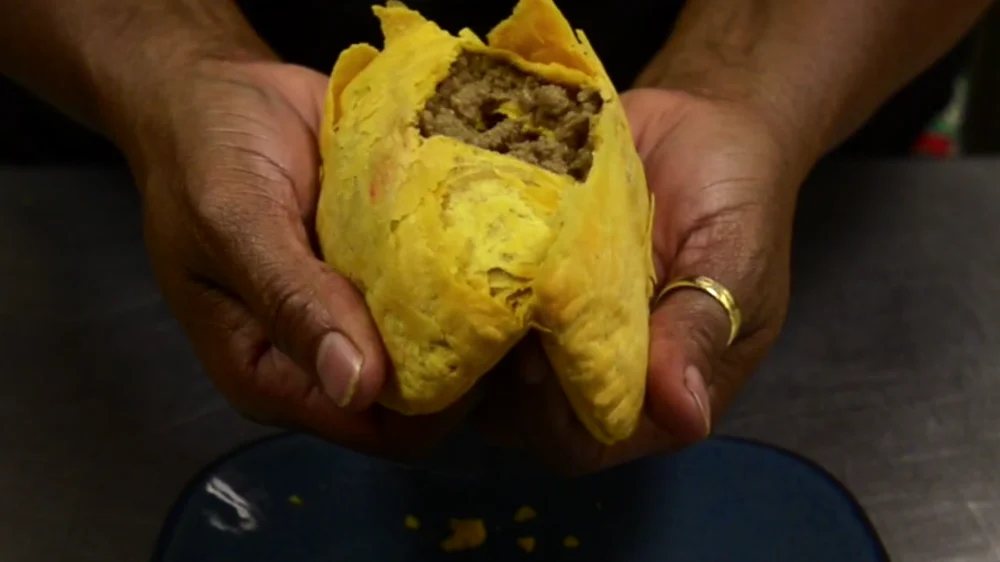
A Jamaican patty is often treated like a snack, and it is, but that label can undersell how satisfying and culturally central it is. The crust is typically golden, sometimes deeply yellow from turmeric or curry powder, and ideally flaky without becoming dry. The filling may be beef, chicken, vegetable, lobster, or ackee. The classic beef patty brings spice, savoriness, and enough moisture to keep each bite lively.
A patty tucked into coco bread is one of the most beloved combinations for good reason. The bread softens the intensity of the filling and turns a quick snack into a filling meal. For a first-timer, it is one of the easiest, cheapest, and most approachable entries into Jamaican food. If a bakery or patty shop does this well, it is often a sign they care about fundamentals.
Breakfast is one of the best ways in
Many cuisines reveal themselves most honestly at breakfast, and Jamaican food is no exception. Ackee and saltfish gets the attention, but callaloo, fried dumplings, boiled green bananas, porridge, liver, mackerel, and saltfish rundown all belong in the morning conversation.
Cornmeal porridge, often enriched with milk and spice, is comforting and gently sweet. Peanut porridge has more body and a nutty flavor that lingers. Fried dumplings, despite the name, are not greasy if prepared properly. They should be crisp outside and soft within, ideal for sopping up savory dishes. A breakfast spread can be substantial, but it also gives you a better sense of how Jamaican cooking balances salt, starch, softness, and spice without relying on one dominant flavor.
Seafood has a major place at the table
Because jerk dominates the popular image of Jamaican cuisine, many first-timers do not realize how strong the seafood tradition is. Escovitch fish is one of the clearest examples. Typically, a whole fish is fried until crisp, then topped with a tangy, spicy pickle of vegetables. The fish gives crunch and richness, while the topping cuts through that richness with acid and heat.
Run down, often made with mackerel simmered in coconut milk and seasoning, shows another side of the island’s cooking. It is comforting, salty, and aromatic rather than flashy. Pepper shrimp, especially from places that do it traditionally, can be intense enough to challenge even experienced eaters. If you like shellfish and do not mind a serious burn, it is worth trying at least once.
Lobster, conch where available, and various reef fish also appear in coastal cooking. The treatment tends to favor seasoning and freshness over heavy masking. Even when fried, the goal is usually to make the ingredient taste more like itself, not less.
Drinks and desserts that complete the meal
A proper first encounter with Jamaican food should include something to drink beyond water or soda. Sorrel, especially around the holidays, offers tartness and spice. Ginger beer can be assertive, far stronger and fresher tasting than many commercial versions. Irish moss, when made well, is creamy and distinctive. Rum punch, done carefully, carries fruit and warmth, though it can be stronger than it tastes.
Desserts deserve a little patience because they are not always as prominent on menus as mains. Rum cake, gizzada, grater cake, and sweet potato pudding all bring different textures and levels of sweetness. Sweet potato pudding, in particular, can be dense, fragrant, and very satisfying with a cup of coffee. It has the kind of old-school solidity that tells you it came from a kitchen where recipes were handed down, not focus-grouped.
How to order your first Jamaican meal with confidence
If you are standing at the counter and the menu feels wide open, the best move is to build a plate that gives contrast. Do not order three aggressively spicy items and expect to understand the cuisine. Jamaican food shines when different elements steady and sharpen one another.
A very safe but rewarding first order would be jerk chicken or brown stew chicken with rice and peas, plantain, and perhaps a festival if available. If you want to branch out, swap the chicken for curry goat or ackee and saltfish, depending on the time of day. A patty on the side is not overkill if portions are modest, but at many places one entrée is already substantial.
These combinations work well for first-timers:
- Jerk chicken, rice and peas, plantain
- Brown stew chicken, rice and peas, cabbage
- Ackee and saltfish, fried dumpling, boiled green banana
- Curry goat, white rice or rice and peas, festival
- Escovitch fish, bammy or festival, steamed vegetables
Notice the pattern. Each plate balances intensity with something softer or starchier. That is not caution for caution’s sake. It is how the cuisine is meant to function.
Common mistakes first-time diners make
The first is chasing maximum heat as a badge of honor. It often backfires. If your mouth is burning too hard, you miss the pimento, the thyme, the smoke, the sweetness of the plantain, the richness of the gravy. Spice should heighten the meal, not erase it.
The second is judging a dish by a weak version. Bottled jerk sauce on grilled chicken is not the same as proper jerk. Dry oxtail with thin gravy is not a good benchmark. Ackee overcooked into mush does not represent the dish fairly. Jamaican food, like any cuisine with deep roots, varies drastically depending on who is cooking and how much they care.
The third is skipping the sides or condiments that complete the experience. A little pickled vegetable, a spoon of gravy over rice, a piece of festival with jerk, these details matter. Many of the plates are designed as systems. Pull one part away and the meal can feel louder, flatter, or less coherent.
A final word on authenticity and adaptation
People often talk about authentic Jamaican food as if there is one fixed standard. There are standards, certainly, especially with classic dishes, but there is also variation shaped by parish, family, migration, budget, and occasion. A grandmother’s soup, a beachside fish shack’s escovitch, and a Kingston restaurant’s oxtail may all be recognizably Jamaican while tasting quite different.
What matters most for a first-time food lover is not chasing a rigid idea of purity. It is finding cooking with balance, confidence, and respect for the tradition. You want food that tastes lived-in, not assembled from stereotypes. The best Jamaican food feels generous. It gives you smoke, fire, starch, sweetness, acidity, and comfort in one sitting, then somehow leaves you wanting to come back and try the dishes you missed.
Once that first plate clicks, you begin to understand why Jamaican food has such a devoted following. It is vibrant without being chaotic, hearty without being dull, and rooted without being static. For a newcomer, that makes it one of the most exciting cuisines to explore, because every meal opens the door to another one.
Reggae Pot Jamaican Grill
2243 S Monaco St Pkwy #104
Denver, CO 80222
+1 720-410-2956
FAQ About jamaican food
What is the best Jamaican food to try in Denver?
The best choice depends on your tastes. Popular options include jerk chicken, curry goat, slow-cooked oxtail, and savory patties. Reggae Pot lists these dishes on its menu, with sides such as rice and peas and plantains. Ask the Denver team about current availability and spice levels.
Is Jamaican food very spicy in Denver?
Heat varies by dish and preparation. Jerk seasoning often includes scotch bonnet peppers alongside herbs and allspice, while other dishes may have gentler seasoning. Ask about the heat of the specific dish and any sauce before ordering.
What are some popular Jamaican snacks?
Jamaican patties are a popular snack made with flaky pastry and savory meat or vegetable fillings. Other options include fried dumplings and festival, a sweet fried dough often served with savory dishes. Availability varies, so check the current menu when ordering.